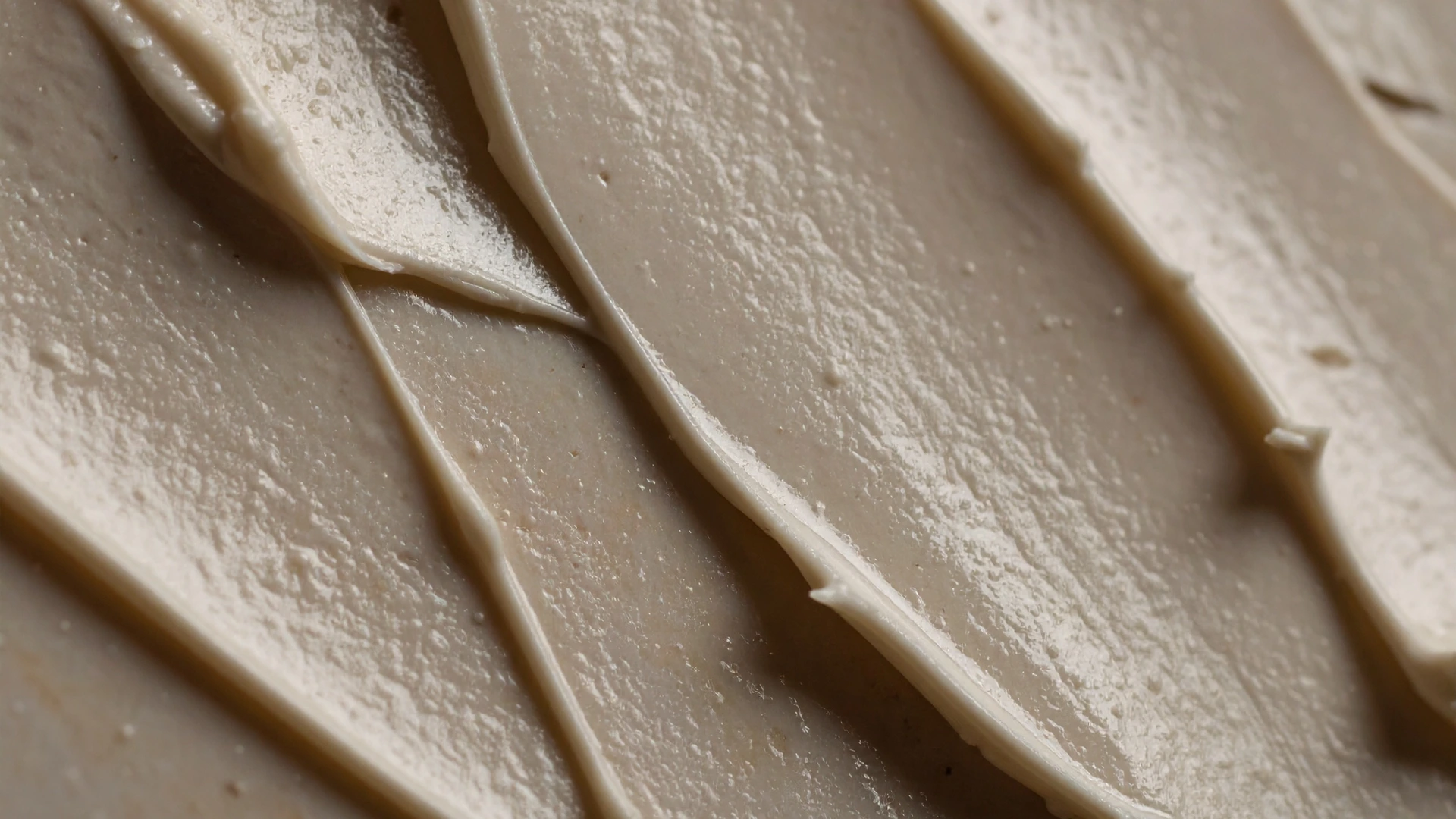
When you squeeze a shampoo or rub in a lotion, you notice the texture right away. Is it thick or runny? Smooth or sticky? Lightweight or rich? That feeling isn’t random. It’s designed. The science behind how a product flows, spreads and holds its shape is called rheology, and it plays a big role in how personal care products look, feel, and perform.
What Is Rheology? - In Simple Terms
Rheology is the study of how something moves and changes shape when you touch it, shake it, pump it, or rub it on skin. In personal care, rheology helps explain why a cleanser pours easily, why a cream stays thick in the jar, or why a gel feels smooth instead of stringy. It helps formulators control how a product behaves in the bottle and during use.
Why Rheology Matters in Personal Care
Texture affects how customers judge a product. A cream that feels silky and rich often seems more premium, while a product that feels watery or sticky can feel low quality, even if the ingredients are good. Rheology also affects packaging. A formulation needs the right texture to pump properly, squeeze out smoothly, and stay stable in the container. It also matters for shelf life, because the right structure helps prevent problems like separation, settling, or thinning over time. Finally, rheology impacts how the product works during application, including spread-ability, drip control, foam feel, and rinse-off.
Key Rheology Concepts Every Brand Should Know
Viscosity: “How Thick Is It?”
Viscosity is a measure of thickness. Some products are thin like water, while others are thick like cream. Viscosity matters, but it’s only one part of texture. Two formulas can be equally thick but still feel very different on the skin.
Shear-Thinning: Thick at Rest, Easy to Use
Many good formulas are designed to be thick in the bottle but spread easily when you rub them. This is called shear-thinning. It helps products feel stable and high quality, while still being easy to apply.
Yield Stress: “Does It Stay in Place?”
Yield stress is what helps a product hold its shape. It’s why a mask stays where you apply it and why a scrub can keep particles suspended instead of sinking. Without enough yield stress, a product may drip, slump, or separate more easily.
Thixotropy: “Breaks When Moved, Then Thickens Again”
Some products get thinner when shaken or mixed, then slowly thicken again after sitting still. This is called thixotropy. It helps formulas pump out smoothly but still look thick and stable in the package.
How Formulators Engineer Texture (The Tools We Use)
Formulators build texture by choosing the right ingredients and balancing them carefully. Thickeners and polymers can create body, smoothness, and structure. In cleansers, the surfactant blend strongly affects thickness and flow, which is why some sulfate-free shampoos are harder to thicken. In lotions and creams, emulsifiers and structuring ingredients help create a rich, stable texture. Powders, clays, and waxes can also change how a formula feels and help keep particles from settling. Even humectants like glycerin can affect texture by changing slip, tackiness, and overall feel.
Texture vs Performance
Texture changes can also change performance. Making a cleanser thicker might reduce foam. Adding more structure might make a lotion feel heavier or harder to spread. Making a gel very clear can sometimes make it feel sticky. Good formulation is about balancing texture, stability, and performance so the product feels great and works well.
How Rheology Is Tested in the Lab
In the lab, rheology is tested by measuring thickness and observing how it changes when the product is moved or rubbed. Formulators also check how the formula holds up over time with stability testing, including heat and cold storage. Sensory testing is also important, because instruments can’t fully replace how a product feels during real use.
Common Texture Problems
If a lotion feels draggy, it may have too much structure or not enough slip, often improved by adjusting the emollient balance or adding a touch of glide. If a shampoo is watery, the surfactant system may not build viscosity easily, but small changes to the salt curve, co-surfactants, or rheology modifiers can make a big difference. If a gel feels stringy, the thickener system may not be balanced and can usually be corrected by fine-tuning the polymer choice and electrolyte levels. If a cream looks thick but breaks down during rub-in, it may need stronger internal structure through emulsifier optimisation or a better lamellar network. These issues are common and usually fixable with the right adjustments. For tailored formulation support, contact us at www.craftedco.uk.
Texture Is Designed, Not Discovered
Rheology is what helps personal care products feel right, stay stable, and work well in real life. Texture is one of the biggest reasons people love a product—and one of the main reasons they stop using it. When rheology is engineered well, the product feels premium, performs better, and stays consistent over its shelf life.
With the right formulation approach, you can create products that spread beautifully, stay stable, and deliver the sensory experience customers expect.
Thermo Fisher Scientific (no date) Rheology solutions for cosmetics and personal care products: application compendium. Available at: https://documents.thermofisher.com/TFS-Assets/MSD/Application-Notes/ANC003-rheology-solutions-cosmetics-personal-care-products-compendium.pdf (Accessed: Accessed: 23 January 2026).
Seppic (2025) How to choose your rheology modifier in cosmetics? Seppic.com, 16 January. Available at: https://www.seppic.com/en-US/article/choose-your-rheology-modifier-in-cosmetics?utm_source=chatgpt.com (Accessed: 23 January 2026).